Views: 112 Author: Site Editor Publish Time: 2025-06-24 Origin: Site


Semi-trucks are the backbone of modern freight transportation. Despite their constant presence on highways, many people overlook just how large and highly regulated these vehicles are. Understanding the dimensions of a semi-truck is essential for safe operations, compliance with regulations, and selecting the right equipment for your hauling needs.
Explore this guide to learn more about standard semi-truck and trailer dimensions—and how Wondee can help you equip your fleet.

The total length of a standard semi-truck (tractor + trailer) is approximately 70 feet. However, this can vary depending on several factors:
1. Tractor Type
Day cabs typically measure around 20 feet.
Sleeper cabs, used for long-haul trucking, are also about 20 feet long, but the final measurement may vary depending on cab design and spec.
2. Trailer Type
Dry van trailers: Most common, 53 feet long.
Pup trailers: About 28 feet, often pulled in tandem.
Intermodal containers: Common lengths are 20, 40, or 53 feet.
Specialty trailers (like RGNs or extendable double drops): Can reach up to 80 feet when fully extended.
3. State Regulations
Trailer length is subject to local rules. While most U.S. states limit trailers to 53 feet, states like Texas and Oklahoma allow trailers up to 59 feet long.
The standard height for a semi-truck is around 13 feet 6 inches (13.5 ft). Here's what affects that measurement:
1. Tractor Height
Including wind deflectors, most tractors reach up to 13.5 feet.
Cab height itself varies from 6 to 10 feet, depending on make and model.
2. Trailer Height
Dry van trailers: Typically 13.5 feet total.
Flatbeds: About 5 feet high, plus up to 8.5 feet for cargo.
Step decks and lowboys: Range from 3.5 feet to 1.5 feet in height.
Intermodal trailers: Around 9.5 feet, designed for dual road-rail transport.
3. Federal Highway Standards
The Federal Highway Administration limits bridge clearance to no lower than 14 feet. To ensure safe clearance, 13'6" remains the accepted standard for truck height across the U.S.
The legal maximum width for most semi-trucks is 8.5 feet (102 inches).
1. Trailer and Tractor Width
All trailer types (dry van, reefer, flatbed, tanker, etc.) follow the 8.5-foot width standard.
Both day cabs and sleeper cabs also stay within this width.
2. Mirror Allowance
Mirrors and safety equipment are exempt from width restrictions. Trucks are allowed an extra 10 inches per side, making the total width including mirrors up to 10 feet.
3. Regional Differences
All 49 continental states follow the 8.5-foot rule. Hawaii is an exception, allowing a 9-foot maximum width.
Understanding your truck and trailer’s dimensions is critical for selecting the right parts and staying compliant with local regulations. At Wondee Autoparts, we offer a complete line of semi-trailers and components for every configuration:
Dry vans, flatbeds, tankers, intermodal trailers, and more
Fifth wheel components
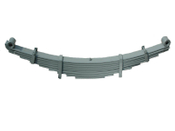
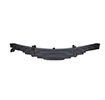
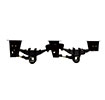
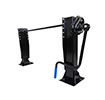
Axles, landing gears, suspensions, and braking systems
Custom kits and accessories for OEM and fleet needs
Browse our full range of semi-trailer solutions here:
Wondee Semi-Trailer Project Catalog
Let Wondee support your fleet with trusted, globally distributed semi-trailer parts and upgrades.