Views: 11222 Author: Site Editor Publish Time: 2025-08-01 Origin: Site


In Texas, where summer temperatures soar past 100 °F, transmission systems work overtime—especially in traffic-heavy zones like I-20. Climbing ramps, hauling full loads, and sitting in stop-and-go traffic all push your transmission fluid well beyond safe operating temperatures. Overheating causes hardening seals, glazed clutches, and even roadside shutdowns. For trucks in the Dallas–Fort Worth freight corridor, managing transmission heat isn’t optional—it’s essential.

Every shift generates friction and shear. Inside the torque converter, fluid turbulence creates heat under load—especially when pulling up steep grades like I-35E. In stop-and-go city traffic, frequent launches add even more friction between clutch packs. On top of that, high ambient temperatures and heavy loads combine to accelerate thermal stress. Just a 40 °C increase in ambient temperature can slash your natural cooling efficiency by 20%.
Using the right transmission fluid is your first line of defense. Synthetic ATFs resist breakdown at higher temperatures, stay stable above 260 °F, and keep debris suspended to avoid clogging hydraulic channels. In manual transmissions, thick gear oil protects against metal-to-metal contact. Once fluid thins or oxidizes, wear happens fast.
Things go downhill fast above 275 °F. Seals harden and begin to leak. Friction material on clutch packs starts to glaze and lose grip. Eventually, the ECU may derate the engine or send the truck into limp mode. That’s lost time, lost loads, and expensive repairs.
A transmission cooler is a dedicated heat exchanger mounted in front of your truck’s A/C condenser. It routes hot ATF through cooling fins or plates, releasing heat to the outside air before the fluid returns to the sump. Separating transmission heat from the main engine cooling system helps stop thermal runaway before it starts.
Tube-and-fin: Good for light-duty trucks with frequent stops. Minimal pressure drop but limited cooling power.
Plate-and-fin: Offers great efficiency and suits regional hauls with mixed highway and city driving.
Stacked-plate: Best for severe-duty rigs facing heavy loads and long climbs. Excellent heat rejection per square inch.
When daytime highs stay above 95 °F, it’s wise to oversize your cooler by at least one capacity class. It helps compensate for poor airflow during idle or slow hill climbs.
Mount the cooler in front of the condenser for maximum airflow.
Add a thermostatic bypass valve to avoid overcooling on cold starts.
Use high-pressure hoses rated for 300 °F and 400 psi (SAE J1019).
Install a temperature gauge with a 230 °F warning alarm on the dash.
In extreme conditions, dual coolers in parallel double cooling capacity with minimal pressure loss.
Reprogram shift logic to upshift earlier when gross weight exceeds 80,000 lb.
Limit idle time—heat soak on pavement can keep temperatures dangerously high.
Schedule heavy loads outside the mid-afternoon heat window when possible.
Coach drivers to monitor sump temperature—not just wait for a warning light.
Inspect ATF color and smell every 15,000 miles—burnt fluid means trouble.
Change synthetic ATF every 50,000 miles to restore additives and protect seals.
Check cooler lines for chafing or leaks at each PM service.
Calibrate temperature sensors annually to avoid false readings.
Blow debris out of cooler fins every season—especially if you run in dusty or buggy areas.
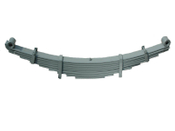
For fleets running in Texas or other extreme-heat regions, it’s smart to combine heat mitigation with other drivetrain upgrades. Explore heavy-duty truck parts like air suspensions, landing gear systems, and replacement axles to support performance and reliability across the entire chassis.