Views: 11 Author: Site Editor Publish Time: 2025-09-14 Origin: Site


Transporting larger loads efficiently requires a proper understanding of a low-bed semi-trailer’s load capacity. Optimizing the load-bearing capabilities of your trailer helps minimize the number of transport units, reduces road congestion, and cuts down on fuel and resource usage. This, in turn, leads to significant savings in transportation costs. To ensure safe and effective transportation of heavy and oversized cargo, it’s crucial to assess the load capacity of your trailer accurately.
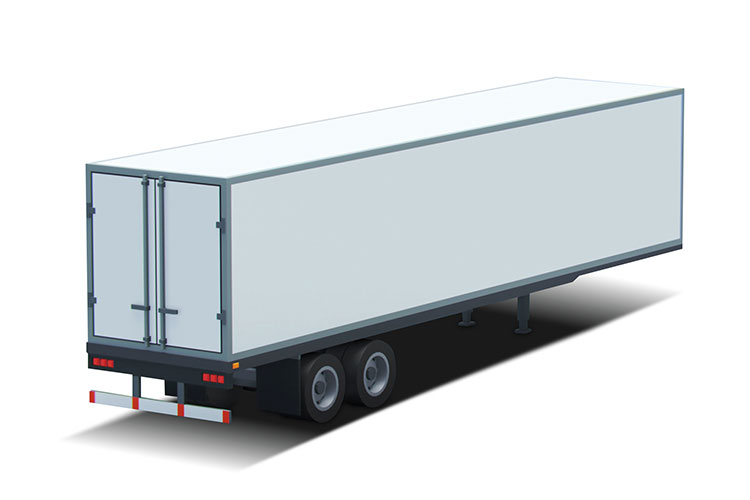
The material used in a low-bed trailer plays a significant role in determining its load capacity. There are primarily two types of materials used for constructing these trailers: Q355 manganese steel and Q550 high-strength steel. High-strength steel is the preferred choice because it’s not only stronger but also resistant to wear and impact. It can withstand heavy loads and pressures, making it ideal for transporting bulky cargo. This material’s durability ensures the trailer can handle significant weight without compromising its structural integrity.
Different low-bed trailer types cater to different needs. Standard low-bed trailers are used for transporting regular cargo like excavators, bulldozers, and road rollers. For oversized and overweight cargo, gooseneck removable low-bed trailers are designed to handle larger loads. These trailers provide better flexibility and ensure the safe transport of ultra-wide and heavy goods.
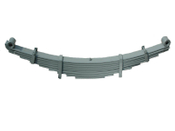
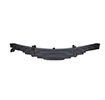
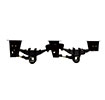
The type of suspension system installed on a low-bed trailer can also impact its load-carrying capacity. There are three main types of suspensions used in low-bed trailers: mechanical, air, and rigid suspensions.
Mechanical suspension is ideal for transporting heavy loads across uneven roads.
Rigid suspension is suited for handling heavy loads on rough roads.
Air suspension is more appropriate for lighter loads, particularly on smooth, paved roads.
Each suspension system has its advantages, depending on the type of cargo being transported and the condition of the roads.
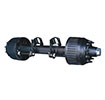
In general, the more axles a low-bed trailer has, the greater its load capacity. Common axle loads range from 10 to 20 tonnes. Multiple axles spread the load evenly, ensuring that the trailer can carry heavier cargo safely without overloading individual wheels or parts of the trailer.
The number of tires on a low-bed trailer also influences its load-carrying capacity. More tires distribute the weight of the load more evenly, allowing the trailer to carry heavier loads. However, it's essential to balance the number of tires, as too many can lead to increased vehicle resistance, which reduces fuel efficiency and speed.
The main beam of the trailer plays a critical role in carrying the trailer’s body load. The thickness of the main beam directly affects the trailer’s strength. The beam typically consists of three parts: top, middle, and bottom. The thicker the part, the stronger it is. This makes it an essential component when calculating the overall load-bearing capacity of a low-bed trailer.
In summary, determining the load capacity of a low-bed semi-trailer involves considering multiple factors, including the trailer's material, type, suspension, axle configuration, number of tires, and the thickness of the main beam. To maximize load capacity and transportation efficiency, it is crucial to choose the right design and materials based on the nature of the cargo being transported. Additionally, improving the load capacity of low-bed semi-trailers contributes to the overall growth and development of the logistics industry.
If you want to learn more about trailer components or explore our products, check out Semi Trailers & Components.